How to implement flexible shaft drive solutions (2026)
23 March 2026Precision finishing in industrial manufacturing demands both intricate maneuverability and exact control, yet achieving both simultaneously presents persistent challenges. Traditional rigid grinding tools struggle in complex geometries, while maintaining consistent surface quality across varied workpieces remains difficult. Flexible shaft grinders enable maneuverability with ML integration for adaptive control, transforming how manufacturers approach finishing tasks. This guide delivers a structured, expert-backed approach to implementing flexible shaft systems that enhance precision, reduce downtime, and optimize your finishing processes.
Table of Contents
- Key takeaways
- Understanding flexible shaft technology and preparation steps
- Step-by-step flexible shaft implementation process
- Common challenges and troubleshooting during implementation
- Measuring success: expected results and performance benchmarks
- Explore BIAX flexible shaft drive solutions
- Frequently asked questions
Key Takeaways
| Point | Details |
|---|---|
| Flexible shaft benefits | Integrating flexible shaft drives with intelligent control improves precision, reduces downtime, and expands access to tight geometries. |
| Smart control integration | Sensors and machine learning processors adapt speed and pressure in real time to maintain surface quality. |
| Modular mounting advantage | Quick change mounts cut changeover time and preserve alignment during transitions between workpiece families. |
| Implementation prerequisites | Prerequisites include material compatibility, adequate clearance, motor torque and speed matching, sensor mounting, and operator training to ensure a smooth deployment. |
Understanding flexible shaft technology and preparation steps
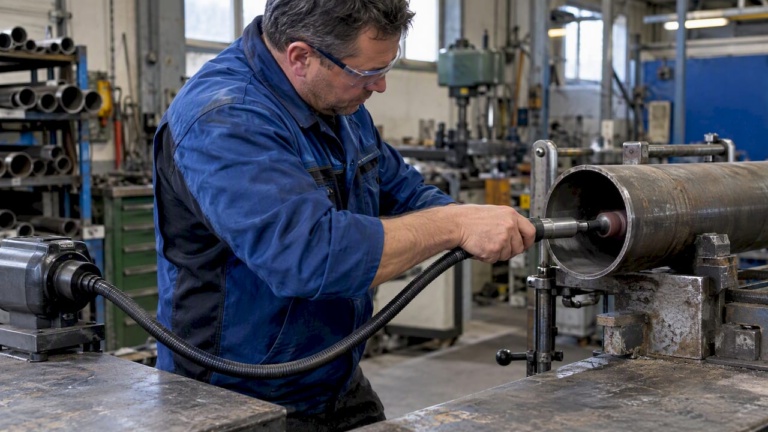
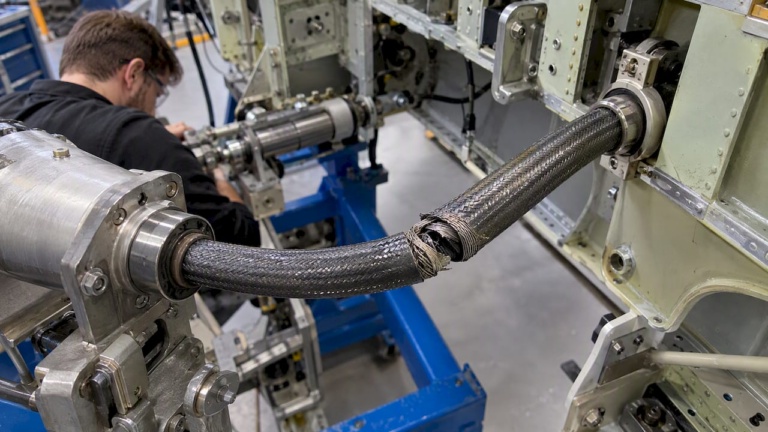
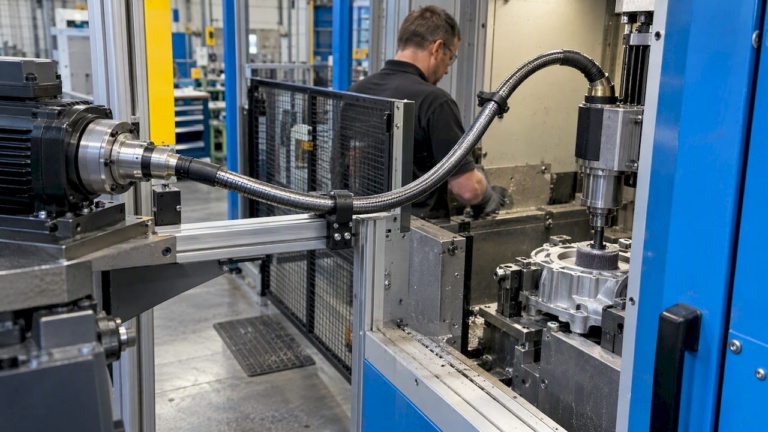
Flexible shaft drives consist of wound wire cables enclosed in protective housings that transmit rotational power around obstacles and into confined spaces. The core rotates within the housing, allowing the shaft to bend while maintaining torque transfer from motor to tool. Modern systems integrate sensors that monitor vibration, temperature, and torque in real time, feeding data to machine learning algorithms that adjust speed and pressure automatically.
Smart integration transforms basic flexible shafts into adaptive finishing systems. Sensors detect material hardness variations and adjust parameters instantly, preventing tool damage and maintaining consistent surface quality. This real-time adaptation eliminates the trial and error typical of manual finishing, reducing scrap rates and operator fatigue. Flexible shafts improve access precision finishing by combining mechanical flexibility with intelligent control.
Before implementation, verify these critical prerequisites:
- Material compatibility between workpiece and abrasive tools
- Adequate clearance for shaft routing without excessive bending
- Motor specifications matching required torque and RPM ranges
- Mounting points for sensors and control units
- Operator training resources for adaptive system management
Sensor selection directly impacts finishing precision and system responsiveness. Common sensor types and their functions:
| Sensor Type | Measurement | Application Benefit |
|---|---|---|
| Accelerometer | Vibration frequency and amplitude | Detects tool wear and chatter |
| Thermocouple | Temperature at tool interface | Prevents thermal damage |
| Torque Transducer | Rotational resistance | Monitors material removal rate |
| Proximity Sensor | Tool position relative to workpiece | Ensures consistent contact pressure |
Pro Tip: Choose sensor packages with wireless data transmission to simplify installation and enable real-time monitoring from central control stations, especially valuable when finishing multiple workstations simultaneously.
Step-by-step flexible shaft implementation process
Successful implementation follows a logical sequence that minimizes disruption while building operator confidence. Each step builds on the previous, creating a robust finishing system.
-
Conduct a detailed process audit. Map current finishing workflows, identifying bottlenecks where rigid tools limit access or precision. Document cycle times, defect rates, and operator challenges to establish baseline metrics for comparison.
-
Select appropriate shaft specifications. Match shaft length, diameter, and stiffness to your specific geometry and torque requirements. Longer shafts require larger diameters to maintain torque transmission, while tighter bends demand more flexible construction.
-
Design the modular mounting system. Modular flexible shaft systems boost assembly flexibility and smart precision finishing. Install quick-change mounts that allow rapid shaft replacement without realigning the entire system, reducing changeover time between different workpiece families.
-
Integrate sensor arrays and control units. Position accelerometers near the tool interface and torque sensors at the drive end. Connect sensors to programmable logic controllers or dedicated machine learning processors that analyze data streams and adjust parameters automatically.
-
Install flexible shaft drive solutions with proper alignment. Ensure the drive motor shaft and flexible shaft coupling maintain concentricity within 0.05mm to prevent premature wear. Support the flexible shaft at recommended intervals to avoid excessive sagging that increases friction and reduces power transmission.
-
Program adaptive control algorithms. Set initial parameters for speed, feed rate, and contact pressure based on material specifications. Configure the machine learning system to recognize patterns indicating optimal finishing conditions versus signs of tool wear or workpiece damage.
-
Execute controlled test runs. Process sample workpieces while monitoring sensor outputs closely. Verify that the system responds appropriately to material variations and adjusts parameters within acceptable ranges. Measure surface finish quality using profilometers to confirm improvements over baseline methods.
-
Validate torque and speed responsiveness. Test the system across the full operating range, from minimum to maximum RPM and torque loads. Confirm that the flexible shaft maintains smooth power transmission without excessive vibration or heat buildup that signals misalignment or component failure.
Pro Tip: Implement flexible shaft systems in phases, starting with one production cell while maintaining traditional methods as backup. This approach allows troubleshooting without halting entire production lines and builds operator expertise gradually.
Common challenges and troubleshooting during implementation
Even well-planned implementations encounter obstacles that require quick diagnosis and correction. Recognizing common issues accelerates problem resolution and prevents prolonged downtime.
Vibration excess often stems from improper shaft support or coupling misalignment. Check support bracket spacing against manufacturer recommendations, typically every 300-500mm depending on shaft diameter. Inspect coupling connections for concentricity and tighten mounting bolts to specified torque values. Excessive vibration accelerates bearing wear and degrades surface finish quality.
Tool selection mismatches create inconsistent results despite proper shaft operation. Abrasive tools designed for rigid grinders may not perform optimally on flexible shafts due to different vibration characteristics and contact pressure dynamics. Elastic tools complement flexible shafts to minimize damage in complex geometries by absorbing shock loads and maintaining consistent contact pressure across irregular surfaces.
Critical: Using rigid abrasive tools with flexible shafts in tight geometries risks workpiece damage from uncontrolled pressure spikes. Elastic-mounted tools absorb vibration and maintain consistent contact, preventing gouging and extending both tool and shaft life.
Integration errors between sensors and control systems manifest as delayed responses or incorrect parameter adjustments. Verify sensor calibration using known reference conditions before blaming control algorithms. Check communication protocols and data transmission rates to ensure sensors report measurements fast enough for real-time control, typically requiring update frequencies above 100Hz for finishing applications.
Routine maintenance prevents most implementation failures:
- Lubricate shaft housings monthly using manufacturer-specified grease
- Inspect couplings for wear every 200 operating hours
- Calibrate sensors quarterly against certified reference standards
- Replace worn support bearings before clearances exceed 0.1mm
- Monitor motor current draw to detect increasing friction from shaft wear
Selecting flexible shafts for precision machinery requires matching specifications to actual operating conditions, not just theoretical requirements. Account for duty cycle, ambient temperature, and contamination exposure when specifying shaft construction and housing materials.
Measuring success: expected results and performance benchmarks
Quantifying implementation success requires tracking specific metrics that reflect finishing quality improvements and operational efficiency gains. Establish baseline measurements before implementation to demonstrate clear value.

Surface roughness improvements provide the most direct measure of finishing effectiveness. Flexible shaft finishing improves Sa roughness by 91.7%, cylindricity by 73.5%, and reduces damage layer thickness compared to conventional grinding methods. These dramatic improvements stem from adaptive control maintaining optimal contact pressure and the flexible shaft’s ability to follow complex contours without rigid tool limitations.

Comparison of finishing methods demonstrates flexible shaft advantages:
| Performance Metric | Conventional Grinding | Flexible Shaft Polishing | Improvement |
|---|---|---|---|
| Surface Roughness (Sa) | 1.2 μm | 0.1 μm | 91.7% reduction |
| Cylindricity Deviation | 8.5 μm | 2.25 μm | 73.5% improvement |
| Damage Layer Thickness | 15 μm | 3 μm | 80% reduction |
| Setup Time per Workpiece | 12 minutes | 4 minutes | 67% faster |
Production managers should monitor these key performance indicators post-implementation:
- Cycle time reduction per workpiece family
- Defect rate changes in finished parts
- Tool replacement frequency and cost
- Operator fatigue reports and ergonomic improvements
- Energy consumption per finished part
- Maintenance intervals and unplanned downtime events
Flexible shaft systems typically achieve payback within 8-14 months through combined savings from reduced scrap, faster cycle times, and lower tool consumption. Benefits flexible drive systems extend beyond direct finishing improvements to include simplified fixture design, reduced floor space requirements, and enhanced operator safety by eliminating awkward postures required with rigid grinding tools.
Additional operational benefits emerge over time. Extended shaft life results from proper implementation and maintenance, with quality systems operating 2000-5000 hours between replacements compared to 500-1000 hours for improperly configured setups. Machine learning algorithms improve continuously, refining parameter adjustments based on accumulated data from thousands of finishing cycles.
Explore BIAX flexible shaft drive solutions
Implementing flexible shaft systems successfully requires both quality components and expert guidance throughout the process. BIAX Flexwellen specializes in flexible shaft drive solutions engineered specifically for demanding precision finishing applications. Our systems deliver the reliability and performance mechanical engineers need while providing the adaptability production managers value.
We offer custom configurations tailored to your exact torque requirements, RPM specifications, and workspace constraints. Whether you need standard components for common applications or specialized designs for unique geometries, our engineering team provides technical support from initial specification through production implementation. Industrial shaft applications 40 longer shaft life demonstrates how proper design and material selection dramatically extend component durability.
Our custom flexible shaft configuration guide walks you through critical specification decisions, ensuring your system matches actual operating conditions. Contact BIAX today to discuss your precision finishing challenges and discover how our flexible shaft solutions can transform your manufacturing efficiency.
Frequently asked questions
What factors determine the choice of flexible shaft for specific finishing tasks?
Selection depends on required torque transmission, maximum operating RPM, and the tightest bend radius in your application. Shaft stiffness must balance flexibility for routing with rigidity for power transmission. Consider workpiece geometry complexity and required surface finish precision when specifying shaft diameter and construction. Flexible shaft selection guides match these parameters to appropriate shaft designs.
How can machine learning enhance flexible shaft finishing processes?
Machine learning algorithms analyze sensor data streams measuring vibration, temperature, and torque to detect patterns indicating optimal finishing conditions. The system adjusts speed and feed rate automatically in response to material hardness variations or tool wear, maintaining consistent surface quality without operator intervention. This adaptive control reduces defect rates and extends tool life by preventing damage from excessive pressure or speed. Machine learning for flexible shafts enables real-time process optimization impossible with manual control.
What maintenance practices ensure longer life of flexible shafts?
Regular lubrication using manufacturer-specified grease prevents friction-induced wear inside the housing. Proper handling during installation and operation avoids kinking that permanently damages the wound wire core. Periodic sensor calibration maintains adaptive control accuracy, preventing parameter drift that causes suboptimal finishing. Inspect shaft couplings and support bearings for wear every 200 operating hours, replacing components before clearances exceed specifications. Flexible shaft maintenance practices extend service life by 40% compared to reactive maintenance approaches.
How quickly can flexible shaft systems be integrated into existing production lines?
Phased implementation typically requires 2-4 weeks per production cell, including mounting system installation, sensor integration, and operator training. Modular designs allow installation during scheduled maintenance windows without extended production shutdowns. Initial test runs and algorithm tuning add another 1-2 weeks before full production speeds. Total timeline from planning to optimized operation averages 6-8 weeks for straightforward applications, longer for complex multi-station systems requiring custom fixturing.
What ROI should manufacturers expect from flexible shaft implementation?
Typical payback periods range from 8-14 months through combined savings from reduced scrap rates, faster cycle times, and lower tool consumption. Surface quality improvements often enable premium pricing or access to higher-specification markets, accelerating ROI. Energy savings and reduced operator fatigue provide additional benefits that compound over time. Manufacturers report 15-30% productivity gains in precision finishing operations after full implementation and optimization.
Recommended
- Flexible Shaft Drive Solutions: Unlocking Compact Efficiency
- 7 Practical Examples of Shaft Drive Solutions for Engineers
- Custom Flexible Shaft Configuration Guide for Engineers
- Role of flexible shafts in maintenance: tools for 2026
Related Topics
Send your spec inquiry
Custom flexible shafts for your application — we quote within 1 working day.