Machine Elements
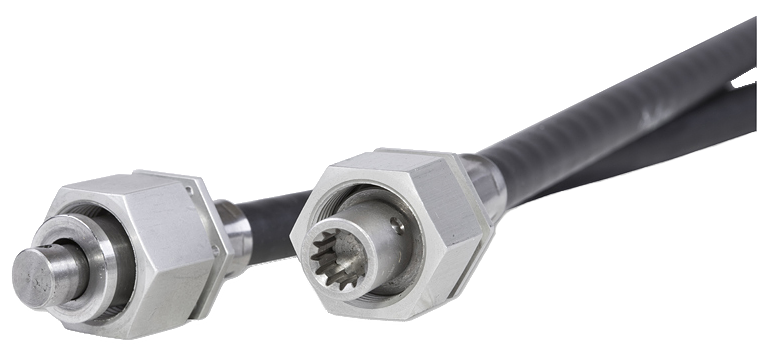
Universal joint, cardan shaft or flexible drive? Where no straight line remains between input and output, a flexible drive transmits the same torque – exactly where a universal joint shaft reaches its installation limits.

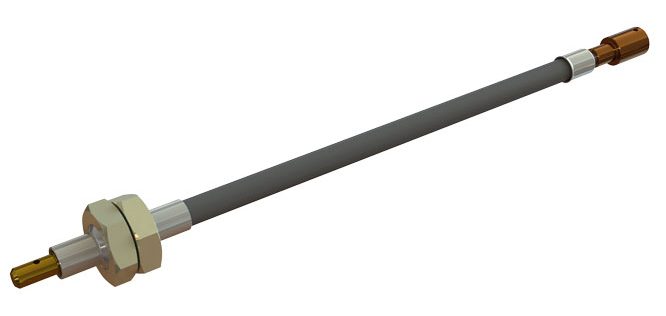
An alternative to the universal joint shaft
Where the flexible drive has the advantage
Three situations in which the substitution makes engineering sense.
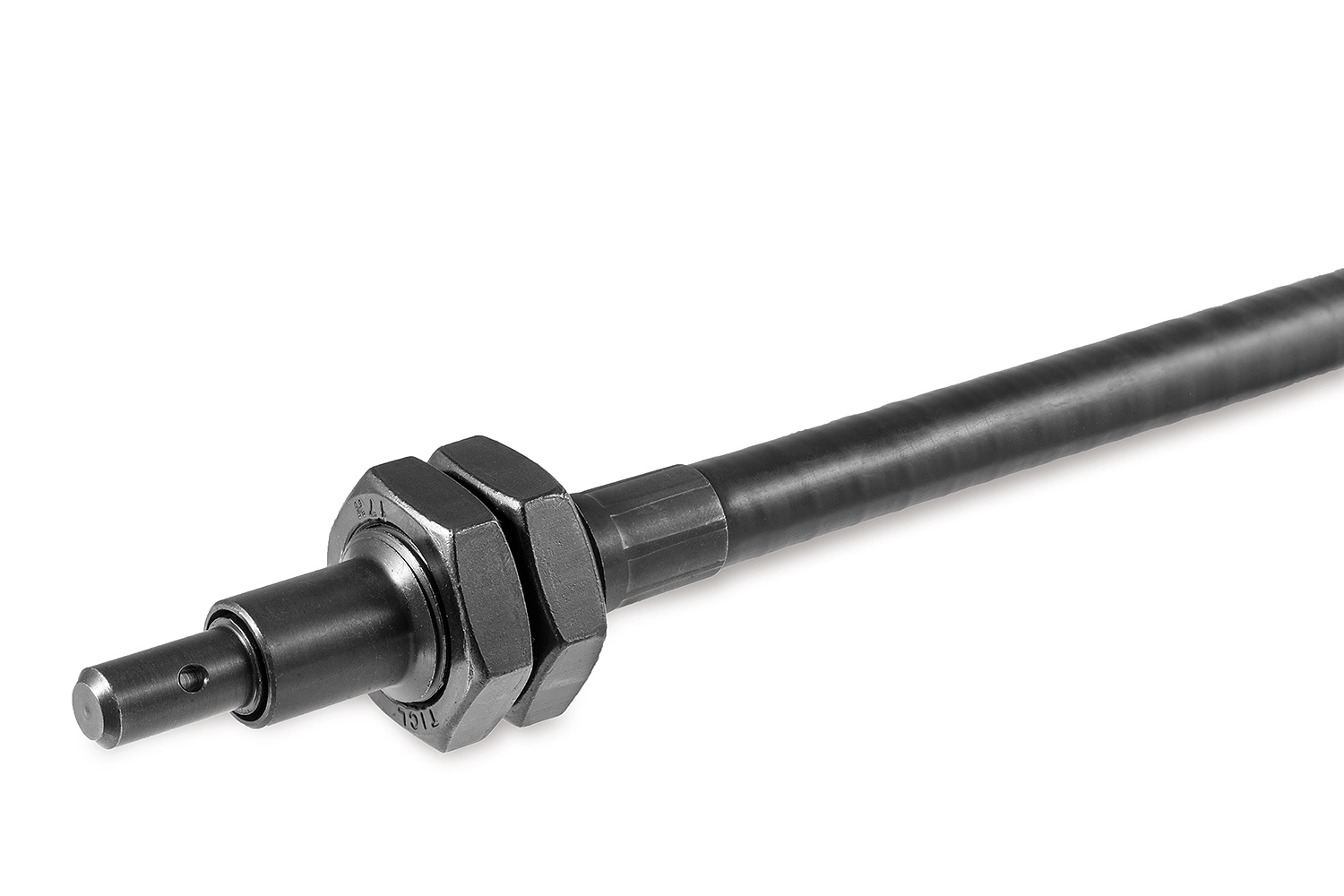
Curved routing
A universal joint shaft needs straight sections and defined bend angles. The flexible drive follows whatever path the installation space allows – around several corners.
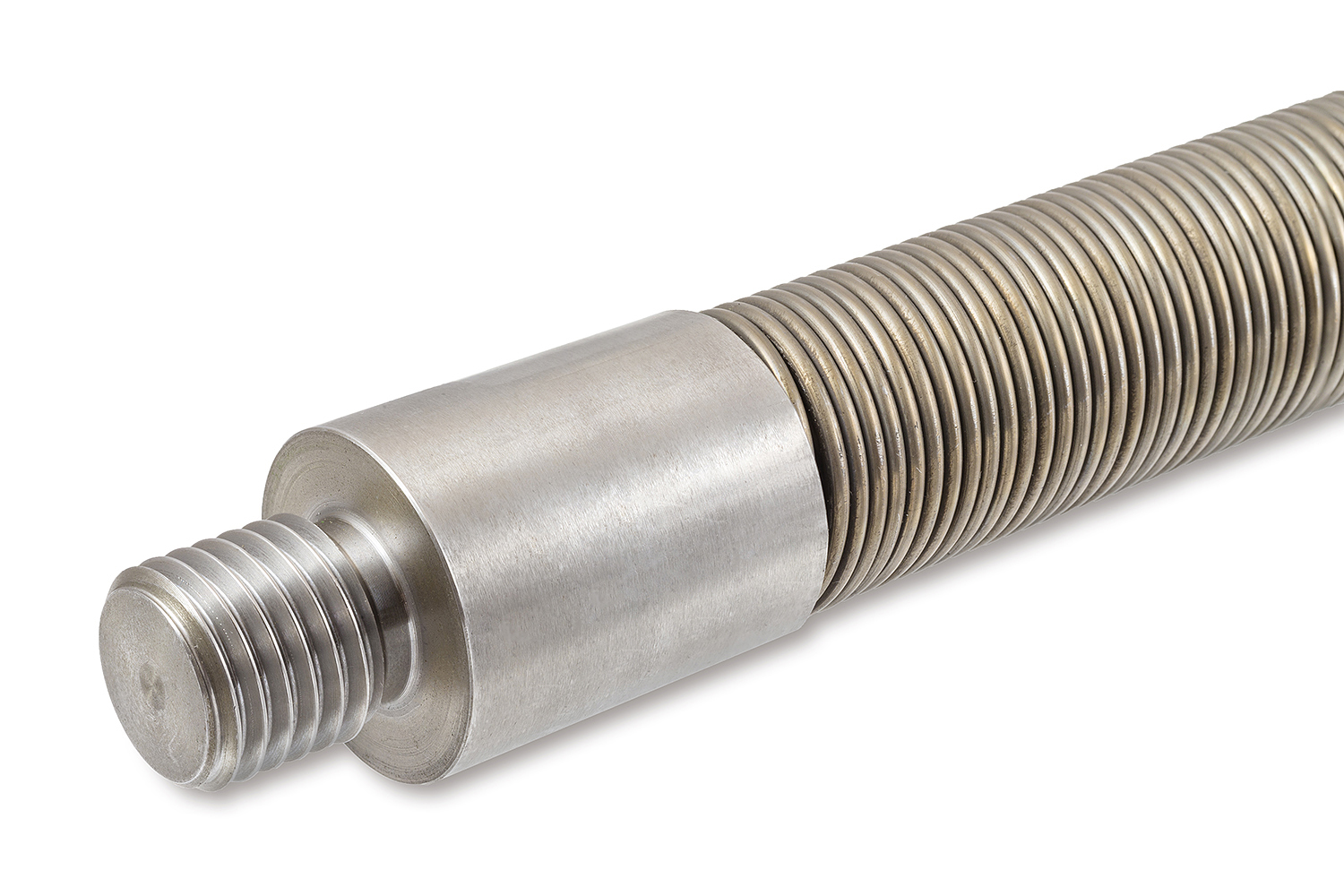
Tight installation space
Joint heads need swivel clearance and add bulk. The flexible drive requires little more than the cross-section of its casing and can be routed past assemblies.
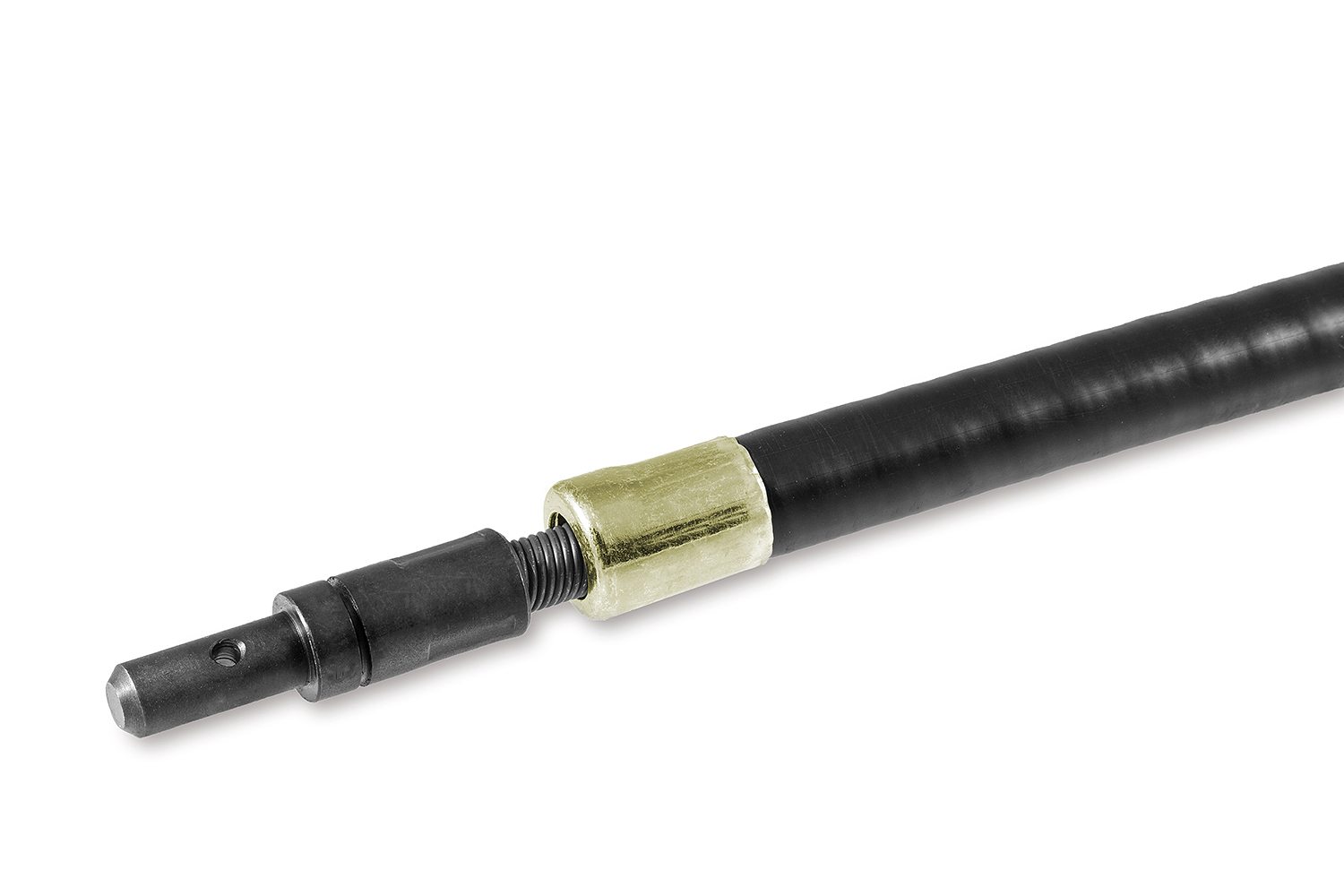
Offset without alignment
Shaft offset does not have to be aligned. That saves adjustment during assembly and tolerates deviations at the connection.
Universal joint shaft and flexible drive compared
Both designs transmit torque across a distance. The difference lies in how freely the path may run – and how much room the design leaves for it.
Mehr erfahrenRouting
Universal joint shaft: straight sections, bending only at the joint. Flexible drive: continuously curved, path freely selectable.
Installation space
Universal joint shaft: swivel clearance required for the joint heads. Flexible drive: space requirement essentially matches the shaft cross-section.
Assembly
Universal joint shaft: alignment and angles must be maintained. Flexible drive: tolerates offset and reduces adjustment effort.
Which BIAX shaft for which case
For the common applications of a universal joint shaft there is a matching series. Which version fits a specific case is determined by torque, speed, bend radius and installation length.
Mehr erfahrenHigh torque
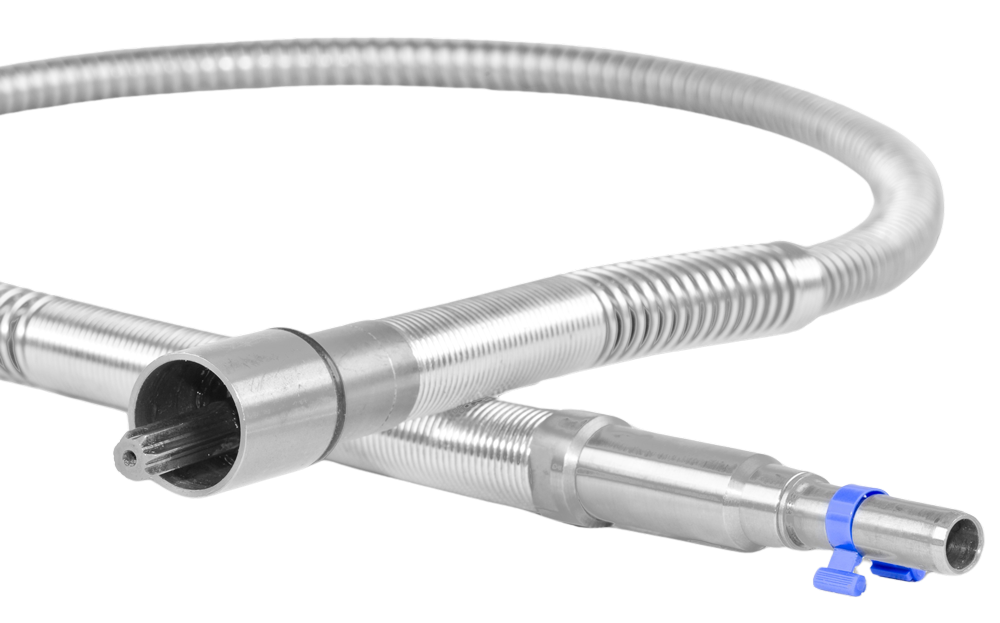
Heavy duty actuation shafts are designed for high torque across a wide range of mechanical applications – the typical substitution case for a compact universal joint shaft.
Adjustment and remote control
Tight spaces

Der Ablauf
Unser strukturierter Ansatz stellt sicher, dass Ihre Anforderungen in jeder Phase erfüllt werden. Vom ersten Kontakt bis zur kontinuierlichen Optimierung bieten wir umfassende Lösungen für nachhaltigen Erfolg.
Legen Sie losVerstehen
Sie beschreiben uns die zu lösende Aufgabe möglichst detailliert.
Analysieren
Gemeinsam erarbeiten wir mögliche Lösungsansätze.
Entwickeln
Wir stellen Ihnen ausgearbeitete Lösungsvorschlage vor.
Umsetzen
Sie erhalten alle Daten um im Vorfeld sicherzustellen, dass eine passende Lösung gefunden wurde. Im Anschluss beginnen wir mit der Produktion.
Optimieren
Mögliche Verbesserungen oder Anpassungen werden Schritt für Schritt umgesetzt.
Bereit für BIAX Wellen?