7 Practical Examples of Shaft Drive Solutions for Engineers
11 Februar 2026Designing power transmission systems gets complicated when your machinery faces tight spaces, irregular paths, or unique torque demands. Standard shafts and connections often fall short—leaving you searching for reliable solutions that fit your project’s challenges. Avoiding downtime and ensuring flawless operation depends on picking the right mechanical components tailored to your specific needs.
This guide breaks down proven options that solve tricky engineering problems. From flexible shafts for tight corners to quick-connect couplings and heavy-duty drive systems, each insight brings actionable strategies to boost system performance and reliability. Get ready to discover tools and tips that can transform the way you handle power transmission in your designs.
Table of Contents
- Flexible Shaft Systems for Compact Spaces
- Custom Shaft Design for Specific Torque Needs
- Quick-Connect Coupling Interfaces
- Multi-Tool Drive Shaft Applications
- Integrated Shaft Solutions for Machine Builders
- Heavy-Duty Shaft Drives for High RPM
- Maintenance Tips for Reliable Shaft Performance
Quick Summary
| Key Message | Explanation |
|---|---|
| 1. Flexible Shaft Systems Solve Space Challenges | These systems enable torque transmission in tight spaces where rigid shafts fail, enhancing design possibilities in engineering. |
| 2. Custom Shaft Design Optimizes Torque Performance | Tailoring shafts to specific torque needs ensures optimal performance and reliability in industrial applications. |
| 3. Quick-Connect Couplings Enhance Efficiency | These couplings allow for tool-free connections, reducing downtime and improving maintenance efficiency in mechanical systems. |
| 4. Multi-Tool Drive Shafts Adapt to Environments | Versatile drive shafts can connect disparate systems easily while improving efficiency and performance across various applications. |
| 5. Maintenance Prevents Shaft Failures | Implementing regular inspections and systematic care can significantly extend the lifespan and reliability of shaft components. |
1. Flexible Shaft Systems for Compact Spaces
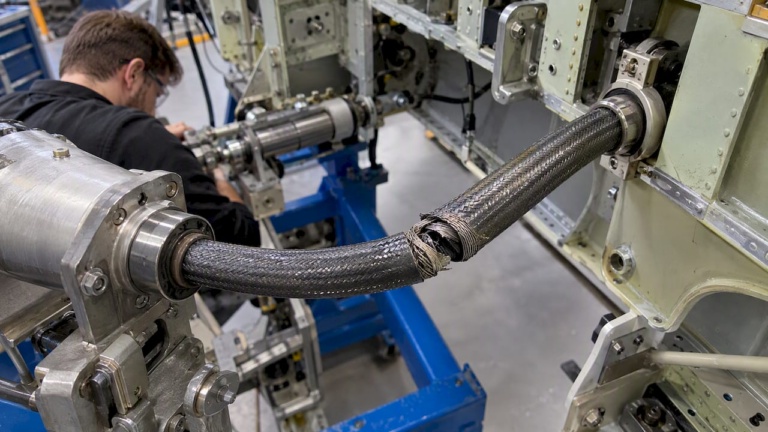
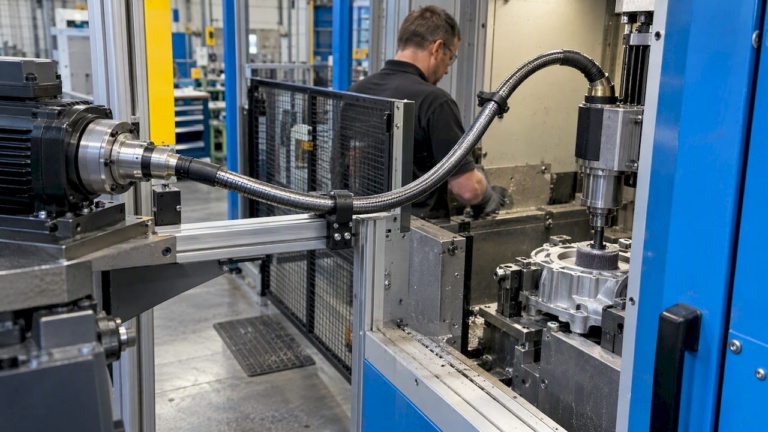
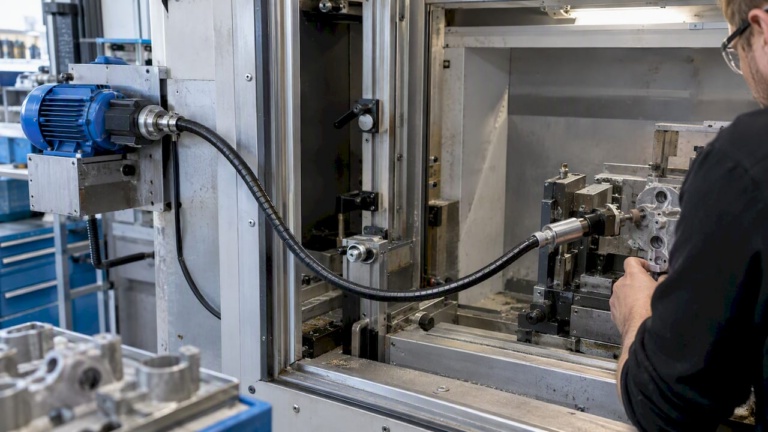
Engineers facing complex spatial challenges increasingly turn to flexible shaft systems as ingenious solutions for transmitting rotational motion in tight or irregular environments. These remarkable mechanical components enable torque transmission through intricate three-dimensional paths where traditional rigid shafts simply cannot function.
Flexible shafts offer unique advantages for design engineers working in constrained geometries:
- Ability to navigate complex spatial routes
- Torsional compliance for angular misalignments
- Adaptability to non-linear mechanical configurations
- Reduced need for complex mechanical redesigns
In robotic and exoskeleton applications, these sophisticated transmission devices utilize advanced multi-layered wound wire architectures that provide exceptional mechanical performance. The core design allows precise rotational energy transfer while accommodating significant bending and spatial complexity.
Flexible shaft systems transform engineering possibilities by enabling motion transmission through previously impossible geometric constraints.
Understanding the mechanical principles is crucial. These systems rely on carefully engineered wire layers that interact using principles of Hertz contact theory and elastic curved rod deformation. Engineers must carefully model stiffness characteristics to ensure reliable performance across varied operational conditions.
Pro tip: When designing flexible shaft systems, always calculate expected torsional loads and service life requirements before final component selection.
2. Custom Shaft Design for Specific Torque Needs
Engineers confronting unique power transmission challenges increasingly rely on custom shaft design strategies that precisely match application-specific torque requirements. By tailoring mechanical components to exact operational demands, designers can optimize performance across diverse industrial environments.
Modern shaft design encompasses several critical approaches to achieving targeted torque transmission:
- Precise material selection
- Advanced geometric configurations
- Computational optimization techniques
- Specialized manufacturing processes
One innovative approach involves transverse key placement in hub-shaft connections, which offers enhanced manufacturing flexibility and nuanced torque transfer capabilities. This method provides engineers an alternative to conventional longitudinal key designs by adapting connection equations to quantify maximum transferable torque.
Custom shaft design transforms mechanical engineering by enabling precise performance matching for complex industrial applications.
Advanced composite power transmission shafts represent another breakthrough in specialized torque management. These sophisticated components utilize hybrid optimization techniques like genetic algorithms and quadratic programming to fine-tune structural characteristics such as fiber volume, orientation, and layer thickness.
Key considerations for custom shaft design include:
- Operational load requirements
- Environmental conditions
- Weight and material constraints
- Performance reliability
Pro tip: Always conduct comprehensive computational simulations and stress analyses before finalizing your custom shaft design to ensure optimal performance and longevity.
3. Quick-Connect Coupling Interfaces
Engineers seeking rapid and reliable mechanical connections are increasingly turning to advanced quick-connect coupling interfaces that enable tool-free, precision-engineered linkages across diverse industrial applications. These sophisticated mechanical junctions represent a critical innovation in power and fluid transmission systems.
Quick-connect couplings offer multiple strategic advantages:
- Instantaneous connection and disconnection
- Minimal fluid or air contamination
- Reduced maintenance downtime
- Enhanced system reliability
- Improved operational efficiency
At the heart of these systems are sophisticated design mechanisms. Quick Connect-Disconnect Couplings utilize intricate valve configurations with male and female halves containing precision-engineered sealing components.
Quick-connect interfaces transform mechanical system design by enabling faster connections with unprecedented reliability and performance.
Advanced coupling designs incorporate complex engineering principles such as thermo-elastohydrodynamic modeling. These approaches simulate fluid-structure interactions under varying pressure and temperature conditions ensuring optimal performance and safety.
Key design considerations for engineers include:
- Seal material selection
- Valve mechanism complexity
- Pressure rating requirements
- Environmental operating conditions
- Fluid compatibility
Pro tip: Always perform comprehensive leak testing and validate seal integrity before finalizing your quick-connect coupling design for mission-critical applications.
4. Multi-Tool Drive Shaft Applications
Engineers increasingly demand versatile drive shaft solutions that can adapt to complex mechanical environments across multiple industrial applications. These sophisticated mechanical components serve as critical torque transmission elements connecting diverse mechanical systems with unprecedented flexibility.
Multi-tool drive shafts offer remarkable engineering advantages:
- Adaptable geometric configurations
- Enhanced performance across varied operational conditions
- Reduced system complexity
- Improved energy transmission efficiency
- Lightweight structural design
Finite Element Analysis enables precise optimization of drive shaft performance by assessing static and dynamic mechanical characteristics. Advanced CAD and computational tools allow engineers to model complex stress distributions and refine shaft geometries for maximum reliability.
Multi-tool drive shafts represent a breakthrough in mechanical system design by enabling flexible power transmission across diverse applications.
Composite power transmission technologies have revolutionized drive shaft design. Innovative material engineering allows manufacturers to create lightweight yet incredibly strong components that can withstand demanding operational environments.
Key design considerations include:
- Fiber orientation strategies
- Material composite selection
- Operational load requirements
- Environmental performance constraints
- Weight minimization techniques
Pro tip: Always conduct comprehensive computational simulations and stress analysis before finalizing your multi-tool drive shaft design to ensure optimal performance and longevity.
5. Integrated Shaft Solutions for Machine Builders
Machine builders face increasingly complex challenges in designing power transmission systems that deliver exceptional performance and reliability. Integrated shaft solutions represent a sophisticated approach to addressing these demanding engineering requirements across diverse industrial applications.
Key advantages of integrated shaft designs include:
- Streamlined mechanical assembly
- Reduced component complexity
- Enhanced overall system efficiency
- Improved manufacturing precision
- Lower maintenance requirements
Custom gear drive shafts enable engineers to create tailored power transmission solutions that meet specific operational constraints. These precision-engineered components combine advanced materials and manufacturing techniques to deliver exceptional mechanical performance.
Integrated shaft solutions transform machine design by providing seamless power transmission across complex industrial environments.
Modern integrated shaft technologies focus on several critical performance parameters:
- Tight manufacturing tolerances
- High gear accuracy
- Exceptional durability
- Minimal defect rates
- Consistent long-term operational performance
Engineers can leverage these advanced shaft solutions to:
- Minimize system complexity
- Reduce overall machinery footprint
- Improve power transmission efficiency
- Simplify maintenance procedures
- Enhance overall machine reliability
Pro tip: When selecting integrated shaft solutions, prioritize manufacturers offering comprehensive engineering support and customization capabilities to ensure optimal system performance.
6. Heavy-Duty Shaft Drives for High RPM
Engineers confronting extreme operational environments require specialized drive shaft technologies that can withstand intense rotational demands and maintain exceptional performance under high-stress conditions. Heavy-duty shaft drives represent a critical solution for machinery operating at demanding rotational speeds.
Key performance characteristics of high RPM shaft drives include:
- Superior torque transmission capabilities
- Exceptional vibration resistance
- Advanced material engineering
- Precise geometric tolerancing
- Enhanced operational reliability
Digital radial hydraulic motors demonstrate innovative approaches to managing high-speed mechanical power transmission. These advanced systems utilize sophisticated valve control mechanisms to mitigate traditional power loss and operational inefficiencies.
High RPM shaft drives transform industrial machinery performance by enabling reliable power transmission under extreme operational conditions.
Critical design considerations for engineers include:
- Maintaining bending natural frequencies
- Minimizing whirl vibration risks
- Optimizing torque transmission efficiency
- Managing thermal and mechanical stress
- Ensuring long-term operational durability
Advanced analytical techniques such as Finite Element Method (FEM) enable precise shaft geometry optimization for:
- Torque capacity exceeding 8000 Nm
- Vibration characteristics management
- Structural integrity assessment
- Performance reliability prediction
- Operational envelope expansion
Pro tip: Implement comprehensive computational modeling and experimental validation to accurately predict shaft drive performance across your entire operational RPM range.
7. Maintenance Tips for Reliable Shaft Performance
Machine reliability hinges on proactive maintenance strategies that prevent catastrophic shaft component failures. Understanding and implementing systematic inspection and care protocols can dramatically extend the operational lifespan of critical mechanical systems.
Key maintenance priorities for shaft performance include:
- Regular visual inspections
- Precise alignment verification
- Systematic lubrication management
- Early wear detection techniques
- Vibration monitoring protocols
Comprehensive shaft failure analysis reveals that most mechanical breakdowns originate from preventable stress concentrations and inadequate maintenance practices. Engineers can mitigate these risks through strategic intervention.
Preventative maintenance transforms mechanical reliability by addressing potential issues before they escalate into catastrophic failures.
Critical maintenance workflow elements:
- Establish baseline performance metrics
- Create structured inspection schedules
- Document component condition trends
- Implement predictive diagnostic techniques
- Train personnel in advanced monitoring skills
Practical maintenance strategies focus on:
- Detecting microscopic material deformations
- Measuring vibrational characteristics
- Assessing lubrication system effectiveness
- Understanding operational stress patterns
- Tracking thermal performance indicators
Pro tip: Develop a comprehensive digital maintenance log that tracks shaft performance metrics, enabling data-driven predictive maintenance strategies and early anomaly detection.
This table comprehensively summarizes the key mechanical innovations, applications, and design considerations outlined in the article regarding shaft system advancements and their engineering benefits and challenges.
| Topic | Description | Key Considerations |
|---|---|---|
| Flexible Shaft Systems | Enable torque transmission through complex paths, suitable for constrained spaces. | Model stiffness characteristics, and calculate service life to ensure efficiency and durability. |
| Custom Shaft Designs | Match specific torque needs via tailored materials and manufacturing. | Utilize computational optimizations and advanced geometric configurations for precise functionality. |
| Quick-Connect Interfaces | Provide instantaneous connections with minimal contamination. | Choose appropriate seal materials and validate pressure rating for reliability and operational safety. |
| Multi-Tool Drive Shafts | Allow versatile applications with lightweight and optimized structures for torque efficiency. | Prioritize advanced material engineering and perform finite element analysis for robust design. |
| Integrated Shaft Solutions | Streamline assembly and reduce complexity in mechanical systems, enhancing efficiency. | Select components with low defect rates and manufacturers providing comprehensive engineering support. |
| Heavy-Duty Shaft Drives | Operate under high-speed conditions with exceptional vibration resistance and durability. | Manage thermal and mechanical stresses while optimizing torque transmission across operational RPMs. |
| Maintenance Strategies | Essential for extending shaft lifespan and ensuring operational reliability. | Conduct regular inspections, maintain alignment, and implement predictive maintenance strategies. |
Discover Reliable Shaft Drive Solutions Tailored for Your Engineering Challenges
Are you facing complex torque transmission demands like flexible shaft routing or custom coupling interfaces described in the article “7 Practical Examples of Shaft Drive Solutions for Engineers”? At BIAX Flexwellen, we understand how critical factors such as spatial constraints, precise torque requirements, and maintenance reliability impact your machinery’s performance. Our expertise in designing flexible shafts and drive components directly addresses challenges including tight installation spaces, angular misalignments, and demanding torque/RPM specifications.
Benefit from our tailored engineering support and robust product range:
- Custom flexible shafts optimized for high-performance in tight or hard-to-reach areas
- Precision coupling interfaces designed for quick assembly and long-term reliability
- Expert guidance to align shaft solutions with your unique application requirements
Take the next step to enhance your mechanical drives with proven, trusted technologies. Contact us today to discuss your project needs and receive personalized solutions designed to maximize efficiency and durability.
Reach out via our contact page and let our experienced engineers help you conquer your toughest shaft drive challenges now.
Frequently Asked Questions
What are flexible shaft systems and how do they work?
Flexible shaft systems are mechanical components that transmit rotational motion through complex paths, enabling torque transfer in tight spaces. To effectively utilize these systems, consider modeling the mechanical principles and wire configurations involved to ensure reliable performance.
How can I design a custom shaft to meet specific torque needs?
To design a custom shaft, focus on precise material selection and advanced geometric configurations tailored to your application’s torque requirements. Start by conducting computational simulations to optimize the design, which can lead to enhanced performance and reliability in industrial applications.
What are quick-connect coupling interfaces, and when should I use them?
Quick-connect coupling interfaces are designed for rapid and reliable mechanical connections that require tool-free engagement. Implement these systems in applications where efficiency and minimal downtime are priorities,
which can substantially improve operational performance.
How can I ensure the reliability of multi-tool drive shafts in complex environments?
To ensure reliability, conduct finite element analysis to assess the multi-tool drive shaft’s performance under various conditions. Adjust the shaft design based on stress distributions and simulations to enhance structural integrity and efficiency in your operations.
What maintenance strategies should I prioritize for optimal shaft performance?
Prioritize regular visual inspections, precise alignment, and systematic lubrication management to prevent shaft failures. Develop a maintenance schedule that incorporates these practices, aiming to reduce the likelihood of catastrophic failures by addressing wear before it becomes critical.
Recommended
- 7 Expert Flexible Shaft Maintenance Tips for Engineers
- Flexible Shaft Maintenance Process for Peak Performance
- Flexible Wellen in der Fertigung – Präzision in engen Räumen
- Leitfaden flexible Antriebswellen auswählen für Maschinen
- Automotive: Dubai Brevetta i Motori Elettrici con Frenata Rigenerativa – Avvocato Carmine Coviello
Verwandte Themen
Spezifische Anfrage senden
Individuelle Sonderlösungen für Ihre Anwendung — wir antworten in der Regel innerhalb eines Werktages.