How flexible shafts improve access for precision finishing
18 March 2026Precision finishing operations often demand access to confined spaces where rigid tools create ergonomic strain and limit maneuverability. Design engineers and production managers face the challenge of maintaining quality while protecting operator comfort in tight assembly areas, intricate mold cavities, and complex part geometries. Flexible shafts separate motor and lightweight handpiece with a coiled steel core, allowing bending to tight spaces without fatigue. This mechanical innovation transforms how manufacturers approach deburring, grinding, and polishing in hard to reach locations, delivering both productivity gains and improved operator safety.
Table of Contents
- Understanding Flexible Shafts In Precision Finishing Tools
- Comparing Flexible Shafts To Rigid Tools In Tight Access Applications
- Maximizing Performance And Durability In Flexible Shaft Applications
- Engineering Considerations For Integrating Flexible Shafts In Production
- Explore Advanced Flexible Shaft Solutions For Your Precision Finishing Needs
- Frequently Asked Questions About Flexible Shafts And Access Improvement
Key takeaways
| Point | Details |
|---|---|
| Ergonomic access | Flexible shafts decouple heavy motors from handpieces, enabling pencil grip control in confined spaces. |
| Engineering balance | Coil design must balance flexibility with torsional stability to prevent vibration and whipping. |
| Durability advantage | Premium shafts with optimized heat treatment last up to 8 years versus 2 years for budget alternatives. |
| Maintenance impact | Weekly cleaning and monthly lubrication extend lifespan and maintain precision performance. |
| Application limits | Ideal for precision finishing tasks but unsuitable for heavy stock removal requiring high torque. |
Understanding flexible shafts in precision finishing tools
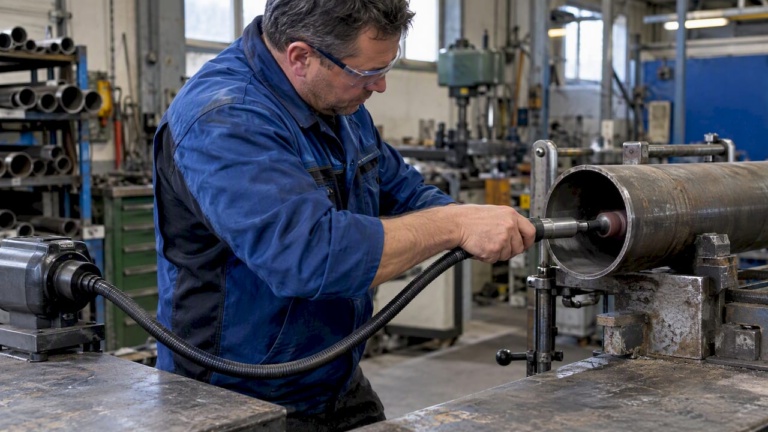
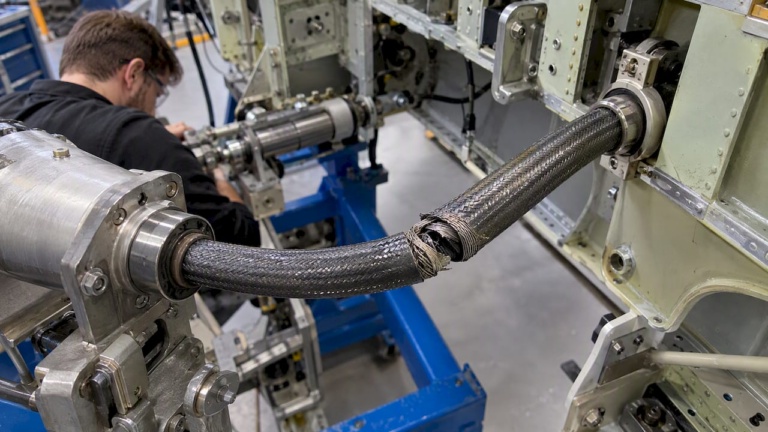
Flexible shafts represent a mechanical solution to the access limitations inherent in rigid rotary tools. At their core, these systems consist of an inner coiled steel spring that transmits rotational torque while allowing the shaft to bend through curves and around obstacles. Proper shaft design includes a wound steel coil transmitting torque and an abrasion resistant outer sheath balancing stiffness to avoid vibration or whipping. The outer protective layer typically uses PVC nylon composites or stainless steel braiding depending on environmental demands.
Typical industrial configurations feature shaft lengths between 35 and 60 inches, with handpiece weights kept below 180 grams to minimize operator fatigue during extended operations. Speed ranges span from 5,000 to 35,000 RPM, providing the control necessary for precision finishing applications. The engineering challenge lies in achieving optimal stiffness: excessive rigidity transmits motor vibration directly to the workpiece, while insufficient stiffness causes the shaft to whip and lose positional accuracy.
Key design elements include:
- Coil winding direction and pitch determine flexibility characteristics
- Heat treatment processes enhance durability and reduce metal fatigue
- Bearing quality at both motor and handpiece connections affects runout
- Sheath material selection based on chemical exposure and temperature
Pro Tip: When evaluating flexible shaft design for tight space finishing, request specifications on maximum bend radius and torsional stiffness to ensure compatibility with your specific access constraints.
The separation of power source from working tool fundamentally changes how operators interact with finishing processes. Instead of wrestling a heavy motor into position, technicians gain the dexterity of a handheld instrument while maintaining the power of a stationary drive system. This architectural advantage becomes critical in industries where part complexity continues to increase while quality tolerances tighten.
Comparing flexible shafts to rigid tools in tight access applications
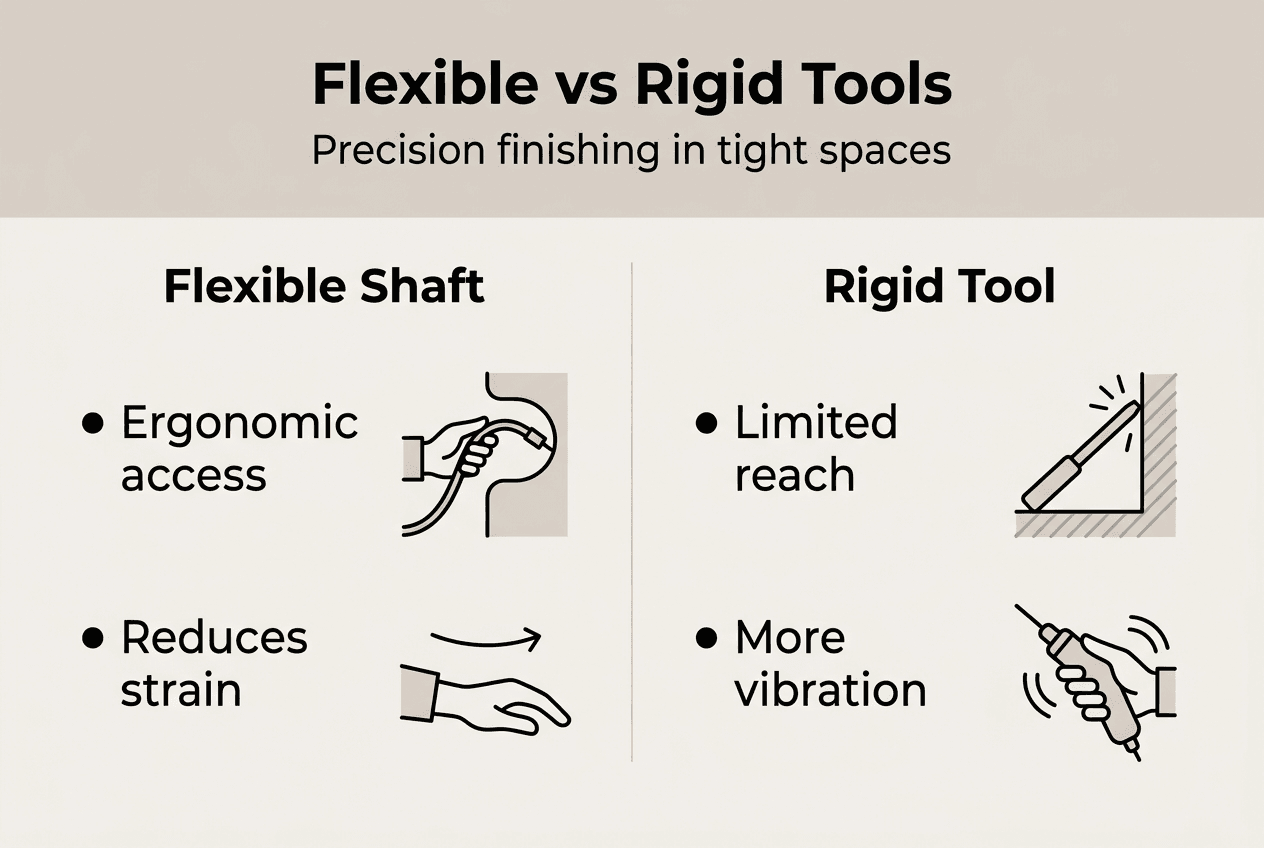
Rigid rotary tools force operators to position both motor and working end simultaneously, creating ergonomic challenges in confined spaces. The fixed geometry prevents navigation through non linear paths, often requiring awkward hand positions that accelerate fatigue and reduce precision. Sustained vibration from direct motor coupling can cause operator numbness and compromise surface finish quality over extended shifts.
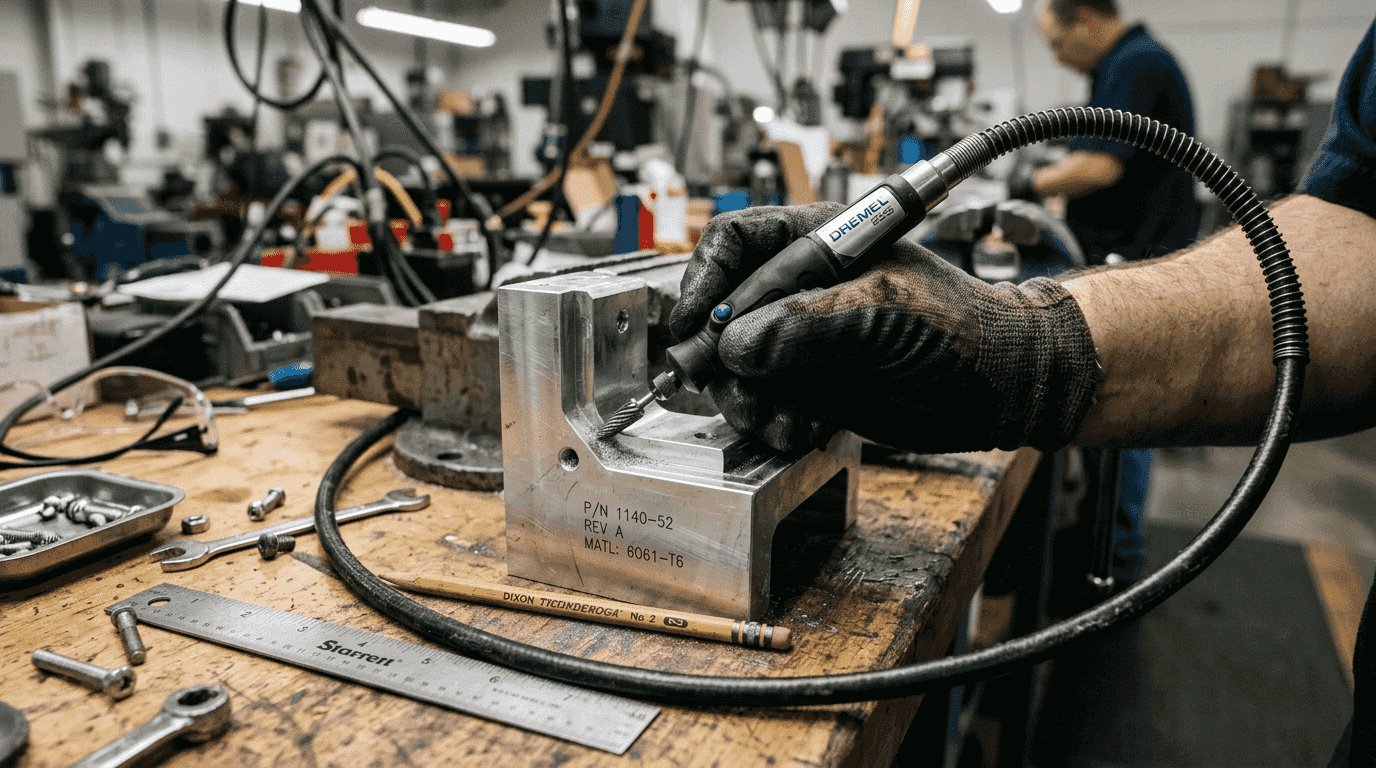
Flexible shafts reduce vibration and ergonomic strain, enabling pencil like control for precision finishing; rigid tools provide more torque but limit non linear access. This trade off defines appropriate application domains for each tool category. Flexible systems excel in engraving, jewelry polishing, woodcarving, and detail finishing where access and control outweigh raw material removal rates.
| Feature | Flexible Shaft | Rigid Tool |
|---|---|---|
| Access | Bends to confined spaces | Requires straight line approach |
| Ergonomics | Lightweight handpiece reduces fatigue | Full motor weight in hand |
| Vibration | Dampened by shaft flexibility | Direct transmission to operator |
| Torque capacity | Limited by coil design | Higher for stock removal |
| Precision control | Pencil grip enables detail work | Heavier mass reduces fine control |
The performance distinction becomes evident in production environments where operators must reach into assembled units or work around installed components. Flexible shafts enable finishing operations that would otherwise require disassembly, reducing cycle time and handling damage risk. However, applications demanding aggressive material removal still favor rigid tools due to their superior torque transmission.
Workflow improvements manifest in both speed and quality metrics. Operators using flexible shafts report faster task completion in complex geometries, with reduced rework from vibration induced surface defects. The ability to maintain consistent tool angles throughout a curved path produces more uniform finishes than rigid tools that require constant repositioning. Production managers should evaluate how flexible shafts improve machine design efficiency when planning finishing cell layouts.
Maximizing performance and durability in flexible shaft applications
Selecting premium flexible shafts delivers measurable returns through extended service life and maintained precision. Premium flexible shafts last approximately 8 years versus 2 years for budget models, demonstrating a 30 to 50 percent longer lifespan and less runout. The quality difference stems from optimized coil winding patterns, superior heat treatment processes, and precision bearing assemblies that resist degradation under continuous use.
Maintenance protocols directly impact operational lifespan and performance consistency. Routine maintenance like weekly collet cleaning and monthly lubrication is essential to prevent premature wear. Neglecting these simple procedures accelerates bearing failure and increases runout, compromising surface finish quality and eventually causing catastrophic shaft failure.
Implement this maintenance schedule:
- Weekly: Remove and clean collets, inspect for debris accumulation, verify handpiece bearing smoothness
- Monthly: Apply manufacturer specified lubricant to shaft bearings, check motor coupling for wear, test speed consistency across RPM range
- Quarterly: Inspect outer sheath for abrasion or cracking, verify electrical connections, document performance metrics
- Annually: Professional service including bearing replacement, coil inspection, and calibration verification
Storage practices significantly affect shaft longevity. Coil the shaft with a minimum 4 inch radius to prevent permanent set in the spring, or hang vertically to eliminate stress. Avoid sharp bends or kinks that deform the coil geometry and create weak points prone to failure.
| Maintenance Task | Frequency | Impact |
|---|---|---|
| Collet cleaning | Weekly | Prevents debris induced runout |
| Bearing lubrication | Monthly | Extends bearing life 3x |
| Sheath inspection | Quarterly | Identifies wear before failure |
| Professional service | Annually | Maintains factory specifications |
Pro Tip: Pairing flexible shafts with brushless motors eliminates the speed drop and overheating common with brushed motors under sustained load, while foot pedal controls enable hands free speed adjustment during intricate work.
Production environments benefit from standardized maintenance protocols integrated into preventive schedules. Tracking performance metrics like runout measurements and bearing noise levels enables predictive replacement before quality impacts occur. Investing in flexible shaft maintenance processes pays dividends through reduced downtime and consistent finishing quality. Consider how maintenance tools for 2026 integrate with existing equipment management systems.
Engineering considerations for integrating flexible shafts in production
Design engineers must evaluate multiple factors when specifying flexible shafts for manufacturing systems. Design engineers should prioritize shaft coil winding quality and compatibility with 2.35mm collets for accessory versatility. This standard collet size provides access to the broadest range of grinding, polishing, and finishing attachments, reducing inventory complexity and enabling rapid tool changes.
Torque and speed requirements define appropriate shaft specifications. Applications demanding higher torque transmission require larger diameter coils and stiffer designs, which sacrifice some flexibility. Conversely, maximum access applications prioritize bend radius over torque capacity. Matching shaft characteristics to actual operational demands prevents both over specification costs and under performance failures.
System integration considerations include:
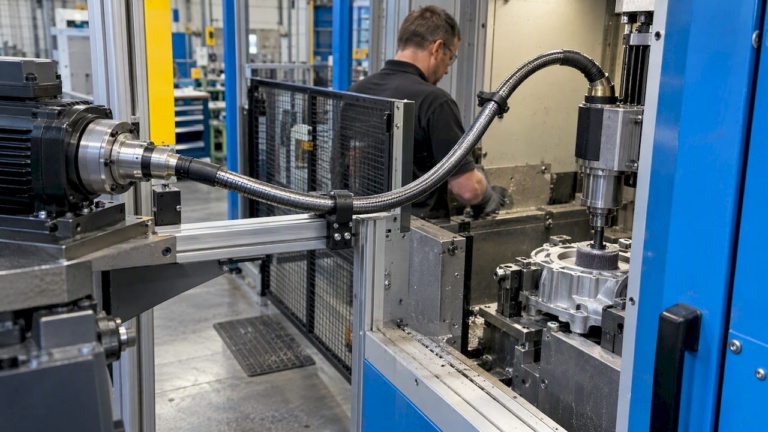
- Motor mounting: stationary, suspended, or mobile configurations
- Power transmission efficiency across expected bend angles
- Cooling requirements for sustained high speed operation
- Vibration isolation between motor and work surface
- Emergency stop accessibility and electrical safety interlocks
Brushless motor integration offers significant advantages in production environments. These systems maintain consistent speed under varying loads, generate less heat during extended operations, and require minimal maintenance compared to brushed alternatives. The initial cost premium typically recovers within the first year through reduced downtime and improved process consistency.
Implement these production integration steps:
- Map all finishing operations requiring tight space access across product lines
- Document current access limitations and ergonomic complaints from operators
- Specify shaft length, flexibility, and torque requirements for each application
- Evaluate motor power and speed ranges needed for material and finish specifications
- Design workstation layouts that accommodate shaft routing without interference
- Establish maintenance schedules aligned with production shift patterns
Investing in premium systems like Foredom TXH 1/3HP 15k RPM offers significant ROI via durability and reduced downtime. Production managers should conduct total cost of ownership analyses comparing initial equipment costs against expected service life, maintenance requirements, and productivity improvements. Premium systems justify higher upfront investment through extended replacement intervals and superior performance consistency.
Batch maintenance protocols streamline high volume production line management. Scheduling shaft service during planned downtime minimizes disruption, while maintaining spare configured units enables rapid swaps without halting operations. Standardizing on specific shaft models across multiple workstations simplifies training, parts inventory, and troubleshooting procedures. Engineers seeking detailed specifications should review custom flexible shaft configuration guides and resources on how to select flexible shafts for precision machinery.
Explore advanced flexible shaft solutions for your precision finishing needs
BIAX Flexwellen engineers industrial flexible shaft systems specifically for demanding tight space finishing applications across manufacturing sectors. Our product line addresses the complete spectrum of torque, speed, and flexibility requirements that design engineers and production managers encounter in modern precision finishing operations. Each shaft undergoes rigorous quality control to ensure consistent performance in production environments.
We provide comprehensive technical resources to support optimal system design and implementation. Our guides cover everything from initial specification development through ongoing maintenance optimization, helping you maximize equipment lifespan and finishing quality. Whether you need standard configurations or custom solutions tailored to unique access constraints, our engineering team brings decades of flexible shaft expertise to your application challenges.
Explore detailed information on how flexible shafts improve machine design efficiency in your specific manufacturing context. Review our complete range of flexible shaft drive solutions engineered for industrial durability and precision. Access expert flexible shaft maintenance tips for engineers to protect your equipment investment and maintain peak performance.
Frequently asked questions about flexible shafts and access improvement
What factors affect the torque capacity of flexible shafts?
Shaft coil diameter and winding design directly determine maximum torque transmission. Larger diameter coils with tighter winding patterns handle higher torque but reduce flexibility. Material selection and heat treatment processes also influence strength and fatigue resistance.
How often should flexible shafts be maintained in high volume use?
Weekly collet cleaning and monthly bearing lubrication represent minimum maintenance intervals for production environments. High duty cycle applications may require more frequent inspection and lubrication to prevent accelerated wear. Document performance metrics to establish optimal schedules for your specific operations.
Can flexible shafts replace rigid tools in all applications?
Flexible shafts excel in precision finishing and tight access applications but cannot match rigid tools for heavy stock removal. Applications requiring maximum torque transmission or aggressive material removal rates still favor rigid tool designs. Select the appropriate tool type based on specific operational requirements rather than attempting universal replacement.
What materials are recommended for shafts in harsh environments?
Stainless steel braided outer sheaths provide superior protection in high temperature and chemically aggressive environments. These configurations resist corrosion and maintain flexibility under demanding conditions. Consult manufacturers for specific material compatibility with your process chemicals and temperature ranges.
How long can premium flexible shafts typically last?
Premium industrial flexible shafts often achieve 8 years of service life with proper maintenance protocols. Budget alternatives typically require replacement after 2 years due to inferior materials and manufacturing processes. The extended lifespan of quality systems justifies higher initial investment through reduced replacement frequency and consistent performance.
What RPM range is optimal for precision finishing applications?
Most precision finishing operations perform best between 10,000 and 25,000 RPM, providing adequate surface speed without excessive heat generation. Lower speeds suit softer materials and polishing compounds, while harder materials may require speeds approaching 30,000 RPM. Match speed selection to specific material properties and desired surface finish characteristics.
Recommended
- Flexible shaft design for tight-space finishing applications
- How flexible shafts improve machine design efficiency
- Flexible Shafts for Tight Spaces: Boosting Precision
- Flexible Shafts Maintain 85-95% Efficiency in Tight Spaces
Related Topics
Send your spec inquiry
Custom flexible shafts for your application — we quote within 1 working day.