How flexible shafts improve machine design efficiency
11 March 2026Many engineers still believe flexible shafts are limited to low torque or simple applications. This misconception overlooks significant advances in materials and design that have transformed flexible shafts into versatile components for precision machinery. Modern flexible shafts enhance machine design by transmitting power through complex paths, reducing component counts, and improving operational reliability. This article explores how flexible shafts deliver tangible efficiency gains and design flexibility for industrial manufacturing applications.
Table of Contents
- Understanding The Role Of Flexible Shafts In Modern Machinery
- How Flexible Shafts Enhance Machine Design Flexibility And Efficiency
- Addressing Common Misconceptions: Torque Capacity And Precision Performance
- Durability, Maintenance Benefits, And Vibration Control Advantages
- Explore BIAX Flexwellen’s Advanced Flexible Shaft Solutions
- FAQ
Key takeaways
| Point | Details |
|---|---|
| Power transmission flexibility | Flexible shafts transmit rotary motion through complex paths that rigid shafts cannot navigate, enabling creative machine layouts. |
| Reduced component complexity | Advanced designs can decrease component counts by up to 40%, simplifying assembly and reducing potential failure points. |
| Enhanced durability | Flexible shafts absorb vibrations and shocks, extending equipment lifespan and lowering maintenance costs. |
| High torque capability | Modern materials and engineering enable flexible shafts to handle demanding industrial torque requirements with precision control. |
Understanding the role of flexible shafts in modern machinery
Flexible shafts serve as critical power transmission components in countless industrial applications. Mechanical shafts are fundamental components in almost every machine that rotates or transmits power. Unlike rigid shafts that require straight line paths, flexible shafts bend and twist while maintaining efficient power transfer.
The key distinction lies in transmission path flexibility. Rigid shafts demand precise alignment and direct routes between drive and driven components. Flexible shafts navigate around obstacles, through tight spaces, and along curved paths. This capability transforms machine design possibilities.
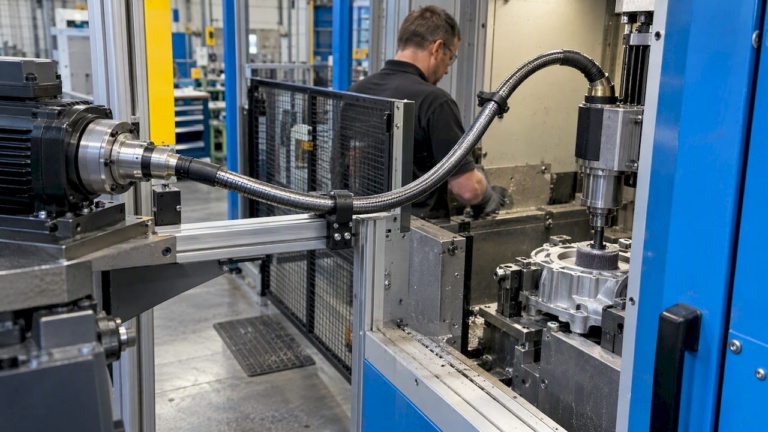
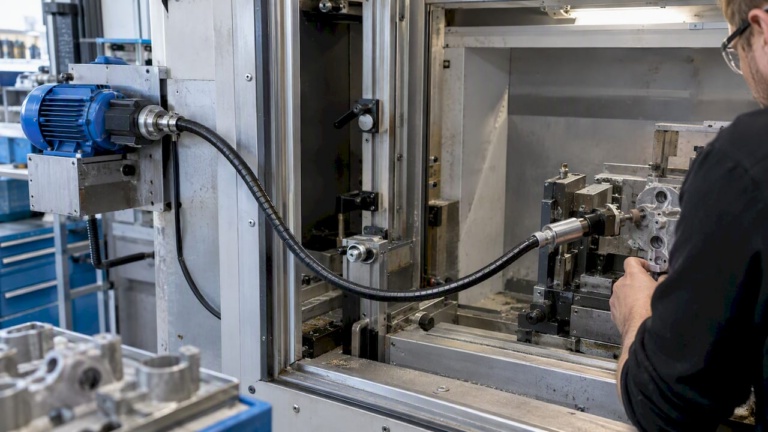
Flexible shafts enable transmission of rotary motion and torque through complex paths, improving machine design flexibility. Engineers gain freedom to position motors, tools, and components based on functional requirements rather than transmission constraints. The result is more compact, efficient machine architectures.
Key functional advantages include:
- Ability to transmit power around corners and through confined spaces
- Reduced need for additional bearings, universal joints, or gearboxes
- Compensation for minor misalignment between components
- Integration into existing machinery without major redesigns
This fundamental flexibility makes flexible shaft drive solutions valuable across industries from automotive manufacturing to precision finishing operations. The technology supports both standard configurations and custom applications tailored to specific torque and speed requirements.
How flexible shafts enhance machine design flexibility and efficiency
Flexible shafts directly impact machine design economics and performance. Flexible shafts improve machine design by enabling power transmission around obstacles, reducing the number of components, and simplifying assembly. This translates to measurable benefits in manufacturing operations.
Component reduction represents one of the most significant advantages. Traditional rigid shaft systems often require multiple support bearings, couplings, and intermediate shafts to navigate around obstructions. Flexible shafts eliminate these intermediate components, potentially reducing part counts by 30 to 40 percent in complex assemblies.
Fewer components means:
- Lower initial material and manufacturing costs
- Reduced assembly time and labor requirements
- Fewer potential failure points requiring maintenance
- Simplified spare parts inventory management
- Easier troubleshooting and repair procedures
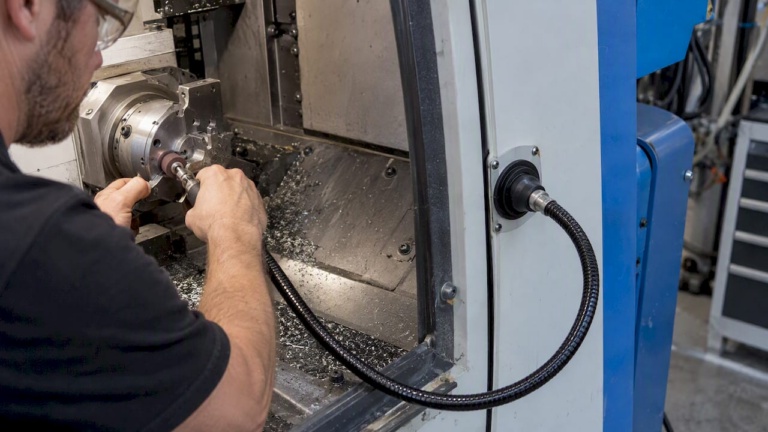
Machine layout flexibility provides another critical advantage. You can position motors in convenient locations for cooling, access, or weight distribution without being constrained by rigid shaft alignment requirements. Tools and working heads can reach previously inaccessible areas within machinery or workpieces.

This spatial freedom proves especially valuable in compact machinery where every cubic inch matters. Finishing equipment, automated assembly stations, and precision machining centers all benefit from the ability to route power transmission through optimized paths. The design simplicity extends to retrofit applications where adding new functionality to existing equipment becomes feasible.
Pro Tip: When designing with flexible shafts, prioritize configurations that minimize bend radius and shaft length. Shorter paths with gentle curves maintain higher efficiency and torque capacity while maximizing service life. Review shaft drive solutions examples to identify proven approaches for your application.
Addressing common misconceptions: torque capacity and precision performance
The perception that flexible shafts suit only light duty applications no longer reflects current capabilities. Advancements in materials and design have expanded flexible shafts’ use to higher torque applications. Modern flexible shafts routinely handle industrial torque loads that would have required rigid shaft systems in the past.
Material science drives much of this performance improvement. High strength steel alloys, advanced coiling techniques, and precision casing designs work together to maximize torque transmission while maintaining flexibility. Proper engineering of these elements allows flexible shafts to handle considerable torque loads with proper design and material selection.
Precision control represents another area where flexible shafts exceed expectations. Applications requiring accurate speed control and minimal runout can successfully use flexible shafts when properly specified. The key lies in matching shaft construction to application demands.
Consider these performance factors:
- Torque capacity scales with shaft diameter and construction type
- Speed ratings depend on shaft length, bend radius, and support conditions
- Precision applications benefit from tight tolerance manufacturing
- Proper installation and maintenance preserve performance characteristics
Flexible shafts now replace gearboxes and universal joint assemblies in many industrial applications. Deburring tools, portable grinders, and precision finishing equipment rely on flexible shaft technology for reliable power delivery. The technology proves particularly effective where traditional transmission methods introduce excessive weight, complexity, or maintenance requirements.
Configuration selection determines performance outcomes. Working with a custom flexible shaft configuration guide ensures your specifications match application requirements. Factors like maximum torque, operating speed, bend geometry, and coupling interfaces all influence final performance.
Durability, maintenance benefits, and vibration control advantages
Flexible shafts deliver operational advantages beyond initial design simplification. Flexible shafts reduce maintenance costs and extend equipment lifespan. These benefits accumulate over years of operation, significantly impacting total cost of ownership.
Vibration absorption stands out as a key durability feature. The inherent flexibility that enables power transmission through curves also dampens vibrations and accommodates shock loads. This characteristic protects both the flexible shaft itself and connected components from damaging vibration effects.

Research into rotating machinery confirms the importance of vibration control. A novel real-time control method effectively controls rotor displacement and reduces vibrations. While this research focuses on centrifuge applications, the principles apply broadly to rotating equipment where flexible shafts help isolate vibration sources from sensitive components.
| Feature | Rigid Shaft Systems | Flexible Shaft Systems |
|---|---|---|
| Maintenance frequency | Higher due to bearing wear | Lower with proper lubrication |
| Shock load tolerance | Limited, requires dampening | Inherent absorption capability |
| Alignment sensitivity | Critical, requires precision | Accommodates minor misalignment |
| Component count | Multiple supports needed | Fewer intermediate components |
| Vibration isolation | Additional dampeners required | Natural dampening properties |
Maintenance simplification occurs at multiple levels. Fewer bearings and support structures mean fewer wear points requiring inspection and service. The flexible shaft itself typically requires only periodic lubrication when properly selected for the application. This reduced maintenance burden lowers operating costs and increases equipment availability.
Extended service life results from the combination of vibration dampening, shock absorption, and reduced component complexity. Properly installed flexible shafts often outlast the equipment they serve. This longevity proves especially valuable in applications where downtime carries high costs or where access for maintenance presents challenges.
Pro Tip: Implement a simple lubrication schedule to maximize flexible shaft life. Most industrial applications benefit from quarterly or semi-annual lubrication depending on operating conditions. Proper maintenance ensures flexible shafts maintain efficiency throughout their service life.
Explore BIAX Flexwellen’s advanced flexible shaft solutions
BIAX Flexwellen brings decades of engineering experience to industrial flexible shaft applications. Our product range addresses the complete spectrum of machine design challenges, from standard components to fully customized solutions. We help engineers specify optimal configurations for torque requirements, speed ranges, and installation constraints.
Our engineering team supports machine builders throughout the design process. Whether you need guidance on shaft selection, coupling interface specifications, or installation best practices, we provide technical expertise that ensures successful implementation. This collaborative approach helps you leverage flexible shaft drive solutions effectively in your applications.
Access our custom flexible shaft configuration guide to understand specification parameters and selection criteria. Our resources help you make informed decisions that optimize performance and reliability. For applications demanding maximum durability, explore solutions delivering industrial shaft applications 40% longer shaft life through advanced materials and design.
FAQ
What types of machines benefit most from flexible shafts?
Precision finishing equipment, deburring tools, and automated assembly systems gain significant advantages from flexible shaft integration. Any machinery requiring rotary power transmission in confined spaces, around obstacles, or through complex paths benefits from flexible shaft capabilities. Industrial applications include grinding, polishing, drilling, and material removal operations where tool positioning flexibility improves process efficiency.
Can flexible shafts handle high torque demands in industrial use?
Modern flexible shafts effectively handle substantial torque loads when properly engineered for the application. Advanced materials, optimized coiling techniques, and precision manufacturing enable torque capacities that meet most industrial requirements. The key lies in matching shaft diameter, construction type, and installation parameters to your specific torque and speed demands.
What maintenance advantages do flexible shafts offer over rigid shafts?
Flexible shafts require less frequent maintenance due to fewer intermediate bearings and support structures. Their inherent shock absorption and vibration dampening properties reduce wear on connected components, extending overall equipment service life. Simpler assemblies with fewer potential failure points translate to lower maintenance costs and improved operational reliability over the equipment lifecycle.
How do flexible shafts improve machine assembly efficiency?
Flexible shafts simplify assembly by eliminating multiple alignment steps required for rigid shaft systems. Fewer components mean reduced parts handling and faster installation procedures. The ability to route power transmission through optimal paths reduces assembly complexity and allows more flexible manufacturing sequences. This efficiency gain proves especially valuable in high volume production environments.
What factors determine flexible shaft performance and longevity?
Shaft construction quality, proper installation practices, and regular maintenance determine performance outcomes. Operating parameters like torque load, speed, bend radius, and duty cycle all impact service life. Selecting shaft specifications that match application requirements, maintaining adequate lubrication, and avoiding excessive bending stresses ensure optimal performance and longevity in industrial applications.
Recommended
- Flexible Shaft Drive Solutions: Unlocking Compact Efficiency
- Flexible Shafts for Tight Spaces: Boosting Precision
- Flexible Shafts Maintain 85-95% Efficiency in Tight Spaces
- Flexible shaft design for tight-space finishing applications
Related Topics
Send your spec inquiry
Custom flexible shafts for your application — we quote within 1 working day.