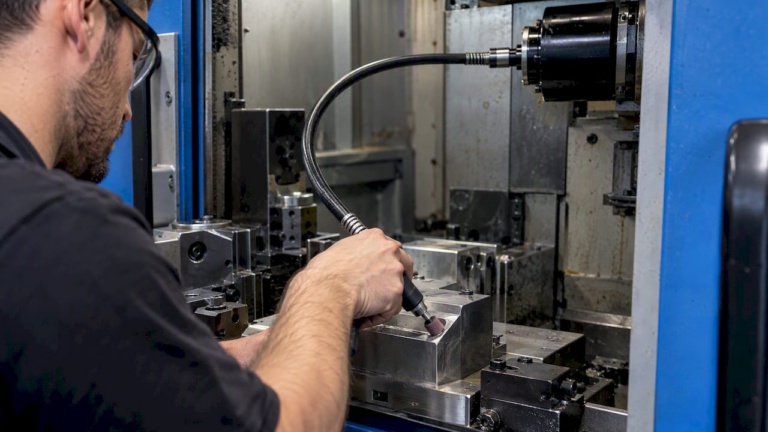
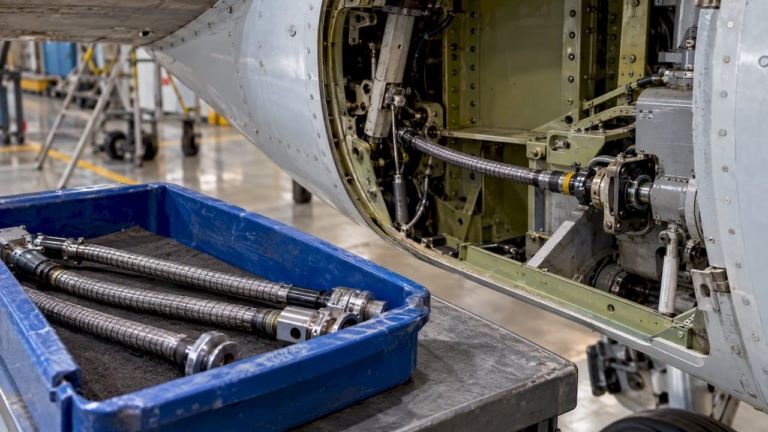
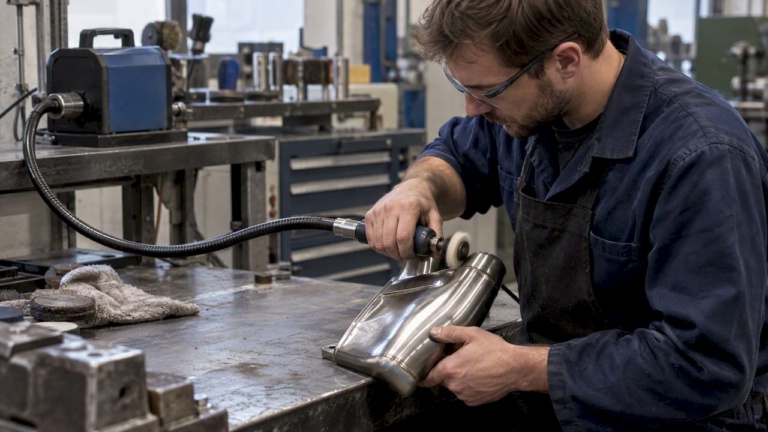
Flexible Shafts for Tight Spaces: Boosting Precision
16 February 2026Tight production floors and intricate finishing equipment push German mechanical design engineers to hunt for innovative solutions that fit where space is at a premium. Rigid drive systems often struggle with corners and limited clearances, making efficient torque transfer a real challenge. Flexible shafts stand out as a key solution, offering both adaptability and reliable performance in compact machinery. This overview sheds light on the core functions, unique mechanical properties, and design considerations that make flexible shafts indispensable for specialized processes in demanding environments.
Table of Contents
- Flexible Shafts Defined: Function And Core Concepts
- Types And Designs For Compact Applications
- Key Features For Tight Space Operations
- Selecting The Right Shaft For Your Machinery
- Common Challenges And Engineering Solutions
Key Takeaways
| Point | Details |
|---|---|
| Understanding Flexible Shafts | Flexible shafts efficiently transmit power in challenging spatial environments where rigid shafts fail. |
| Key Selection Criteria | When choosing a flexible shaft, consider maximum speed, torque capacity, and material characteristics. |
| Material Impact on Performance | Material choice significantly influences shaft reliability, efficiency, and adaptability to environmental conditions. |
| Engineering Challenges | Addressing torsional deformation and dynamic stability is crucial for ensuring effective shaft operation. |
Flexible Shafts Defined: Function and Core Concepts
Flexible shafts represent precision mechanical transmission components designed to transfer rotational power through complex spatial configurations. These innovative engineering solutions enable mechanical motion in environments where traditional rigid shafts cannot effectively operate. Torsionally compliant mechanical systems enable remote actuation across challenging architectural constraints.
At their core, flexible shafts possess unique mechanical characteristics that distinguish them from conventional power transmission mechanisms:
- Capable of transmitting torque around multiple axes and bends
- Absorb vibration and misalignment between drive and driven components
- Reduce mechanical stress through integrated elastomeric or multi-segment designs
- Accommodate angular deviations up to 30 degrees without compromising power transfer
Mechanical Design Principles involve understanding how these specialized components manage force transmission. Flexible rotor shaft configurations typically consist of precision-engineered hollow structures connected through non-positive engagement mechanisms. Their complex three-dimensional deformation modes include torsion, lateral bending, and helical buckling.
Primary applications span diverse industrial domains, including robotics, medical equipment, aerospace systems, and precision manufacturing. Engineers select flexible shaft designs based on specific performance requirements like maximum torque capacity, operational speed range, environmental temperature, and required angular deviation.

Pro tip: When specifying flexible shafts, always measure total system constraints including temperature range, rotational speed, and required angular deflection before selecting a specific configuration.
Types and Designs for Compact Applications
Flexible shaft designs encompass sophisticated engineering solutions tailored for precision mechanical transmission in confined spatial environments. Transmission shaft configurations represent critical components enabling power transfer across challenging mechanical architectures where traditional rigid systems prove inadequate.
Primary flexible shaft types include:
- Unidirectional Shafts: Rotate in single direction for linear power transmission
- Bidirectional Shafts: Capable of rotation in multiple directional axes
- High-Torque Shafts: Designed for maximum rotational force transfer
- Speedometer Shafts: Specialized for precise rotational measurement applications
Material Composition plays a crucial role in defining shaft performance characteristics. Flexible shaft designs utilize various protective casings and core materials to optimize durability, precision, and operational reliability across different environmental conditions.
Advanced flexible shaft configurations integrate complex engineering principles to address specific mechanical challenges. These specialized designs accommodate restricted spatial requirements by incorporating innovative structural elements like multi-segment construction, elastomeric interfaces, and precision-engineered connection mechanisms.
This table compares common flexible shaft types for compact mechanical designs:
| Shaft Type | Best Used For | Key Limitation |
|---|---|---|
| Unidirectional | Simple, one-way drive systems | Cannot reverse rotation |
| Bidirectional | Multi-directional devices | Lower max torque than single |
| High-Torque | Heavy load transmission | Increased overall diameter |
| Speedometer | Accurate RPM measurement | Not for high-torque tasks |
Pro tip: Select flexible shaft materials and designs based on specific operational parameters including temperature range, required rotational speed, and expected mechanical stress levels.
Key Features for Tight Space Operations
Flexible shafts represent precision engineering solutions designed to overcome complex spatial transmission challenges. Rotary power transmission technologies enable mechanical motion through intricate architectural configurations where traditional rigid systems fail.
Critical performance characteristics include:
- High Torsional Stiffness: Achieved through advanced multi-layered wire construction
- Exceptional Efficiency: 85-95% power transmission capability
- Extreme Bending Flexibility: Navigate curves up to 180 degrees
- Simplified Installation: No specialized tools required
- Lightweight Design: Reduced system weight and inertial constraints
Operational Constraints demand precise engineering considerations for tight space applications. Flexible shaft configurations must balance multiple performance parameters including angular deviation, rotational speed, torque capacity, and environmental resistance. Engineers must carefully evaluate material selection, protective sheathing, and structural geometry to ensure reliable mechanical power transmission.

Advanced design methodologies incorporate sophisticated computational modeling and material science principles to optimize flexible shaft performance. By integrating precision manufacturing techniques, designers can create components capable of transmitting rotational energy through complex spatial geometries while maintaining exceptional reliability and operational consistency.
Pro tip: Always calculate total system deflection and torsional resistance before selecting a flexible shaft configuration for critical mechanical applications.
Selecting the Right Shaft for Your Machinery
Selecting an appropriate flexible shaft requires meticulous engineering analysis and comprehensive understanding of operational requirements. Flexible shaft specification criteria demand systematic evaluation of multiple performance parameters to ensure optimal mechanical transmission.
Key selection criteria include:
- Maximum Rotational Speed: Determine operational RPM limits
- Torque Capacity: Calculate required power transmission capabilities
- Shaft Diameter: Match mechanical interface requirements
- Minimum Bend Radius: Evaluate spatial routing constraints
- Operational Length: Assess total transmission distance
- Environmental Resistance: Consider temperature and corrosion factors
Material Selection represents a critical decision point in flexible shaft engineering. Engineers must carefully balance performance characteristics including mechanical strength, thermal stability, weight constraints, and environmental resistance. Stainless steel, composite materials, and specialized alloys offer distinct advantages depending on specific application requirements.
Here is a summary of how material choices impact flexible shaft performance:
| Material Type | Typical Advantages | Common Applications |
|---|---|---|
| Stainless Steel | High strength, corrosion resistance | Medical devices, aerospace |
| Composite Fiber | Lightweight, reduced inertia | Robotics, precision instruments |
| Specialized Alloy | Enhanced thermal stability | High-speed machinery |
| Elastomer Blend | Vibration absorption, flexibility | Low-noise environments |
Advanced selection processes integrate computational modeling and empirical testing to validate shaft performance. Sophisticated engineering teams utilize simulation technologies to predict torsional deflection, stress distribution, and long-term reliability under complex operational scenarios. Comprehensive evaluation ensures that selected flexible shaft configurations will maintain consistent performance across demanding mechanical environments.
Pro tip: Always conduct comprehensive computational and physical prototype testing to validate flexible shaft performance before final system integration.
Common Challenges and Engineering Solutions
Flexible shaft design confronts complex mechanical engineering challenges that require sophisticated analytical approaches. Three-dimensional deformation modeling enables precise understanding of dynamic behavior across various operational scenarios, addressing critical performance limitations.
Primary engineering challenges include:
- Torsional Deformation: Managing complex rotational stress patterns
- Bending Resistance: Maintaining structural integrity during angular deflections
- Helical Buckling: Preventing unexpected structural collapse
- Layer Interaction: Managing tensile and compressive stress interfaces
- Dynamic Stability: Ensuring consistent torque transmission
Computational Modeling Techniques provide advanced solutions for predicting and mitigating potential mechanical failures. Wire layer interaction analysis utilizing Hertz contact theory and elastic rod deformation principles allows engineers to quantify complex mechanical behaviors with unprecedented precision.
Sophisticated engineering approaches integrate multiple analytical methodologies to develop robust flexible shaft designs. By combining advanced computational simulation, material science principles, and empirical testing, mechanical engineers can create components capable of maintaining exceptional performance across demanding operational environments.
Pro tip: Implement multi-stage computational and physical validation processes to comprehensively assess flexible shaft performance before final system integration.
Mastering Torque Transmission in Tight Spaces with Precision Flexible Shafts
Flexible shafts excel at overcoming the challenges of transmitting torque through confined, complex spatial geometries as described in the article. If you are looking to enhance your machinery’s performance by managing high torsional stiffness and extreme bending flexibility, understanding key factors like angular deviation and torque capacity is critical. Handling vibration, minimizing mechanical stress, and navigating tight installation areas demand precision-engineered solutions tailored to your exact requirements.
At BIAX Flexwellen, we specialize in custom flexible shaft and drive solutions designed specifically for demanding industrial applications such as grinding, polishing, and deburring. Our expert engineering support helps select materials and shaft designs that balance torque, speed, length, and environmental conditions effectively. Discover how our tailored flexible shaft configurations can improve your system’s reliability in tight, hard-to-reach spaces. Take the next step to optimize your machinery by contacting us today for expert guidance and customized solutions engineered to keep your processes running smoothly.
Frequently Asked Questions
What are flexible shafts and how do they function?
Flexible shafts are precision mechanical components designed to transfer rotational power through complex spatial configurations, allowing mechanical motion where traditional rigid shafts cannot effectively operate.
What types of flexible shafts are available for compact applications?
Common types include unidirectional shafts for simple one-way drives, bidirectional shafts for multi-directional devices, high-torque shafts for heavy load transmission, and speedometer shafts for accurate RPM measurement.
How do I select the right flexible shaft for my machinery?
Selecting the right flexible shaft involves evaluating parameters such as maximum rotational speed, torque capacity, shaft diameter, minimum bend radius, operational length, and environmental resistance.
What are some common challenges faced in flexible shaft design?
Common challenges include managing torsional deformation, maintaining bending resistance, preventing helical buckling, ensuring dynamic stability, and addressing layer interaction in multi-layered designs.
Recommended
- Flexible Shaft Maintenance Process for Peak Performance
- 7 Expert Flexible Shaft Maintenance Tips for Engineers
- 7 Practical Examples of Shaft Drive Solutions for Engineers
- Flexible Wellen in der Fertigung – Präzision in engen Räumen
Related Topics
Send your spec inquiry
Custom flexible shafts for your application — we quote within 1 working day.